Why Squirrels in Walls Create Serious Fire and Structural Risks
People searching for squirrel removal are usually seeking help from local contractors to safely remove squirrels from walls, preventing fire hazards and structural damage.
Squirrels nesting inside walls may seem harmless at first, but they can pose significant fire and structural risks to property owners. Their tendency to chew on electrical wiring can create serious fire hazards, especially when their gnawing damages insulation or exposes live wires. Additionally, their nesting activities can weaken structural components, leading to costly damage over time. Property owners who notice signs of squirrel activity should understand the potential dangers lurking behind walls and how these pests can impact the safety and integrity of their homes.
Fortunately, local contractors experienced in squirrel removal can help address these issues effectively. They have the expertise to safely remove squirrels and repair any damage caused by their presence, reducing the risk of fires and structural deterioration. Exploring this topic is practical for property owners seeking to protect their investments and ensure a secure living environment. Continued reading can provide valuable insights into how professional squirrel removal services contribute to maintaining a safe, damage-free property.
- Squirrel exclusion - when squirrels have entered wall spaces, local contractors can implement humane exclusion methods to prevent further access and reduce fire hazards.
- Wall repair and sealing - after squirrel removal, pros can restore damaged wall sections and seal entry points to prevent re-infestation and structural risks.
- Insulation removal and replacement - in cases where insulation has been contaminated or damaged by squirrels, service providers can safely remove and replace it to maintain safe building conditions.
- Structural reinforcement - if squirrel activity has compromised framing or support structures, local experts can assess and reinforce affected areas to ensure stability.
- Fire risk mitigation - specialists can identify and eliminate potential ignition sources caused by squirrel nests or chewed wiring, reducing the risk of fires in walls.
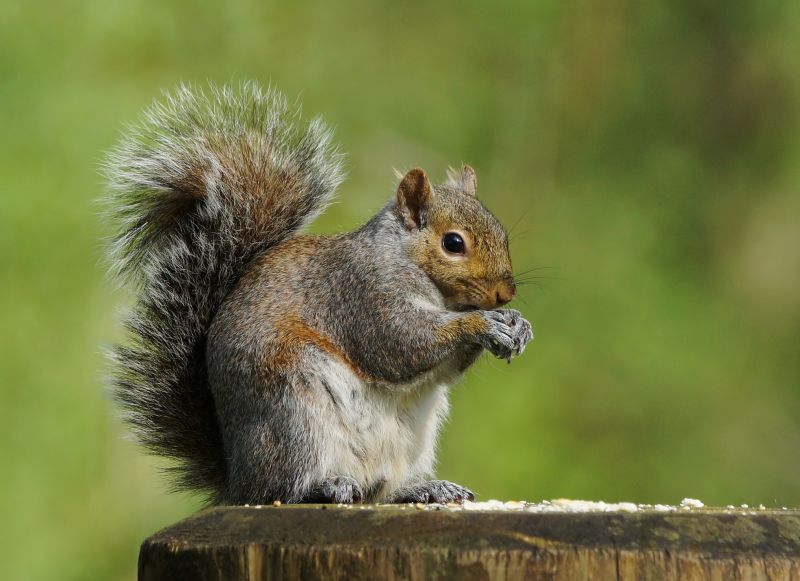
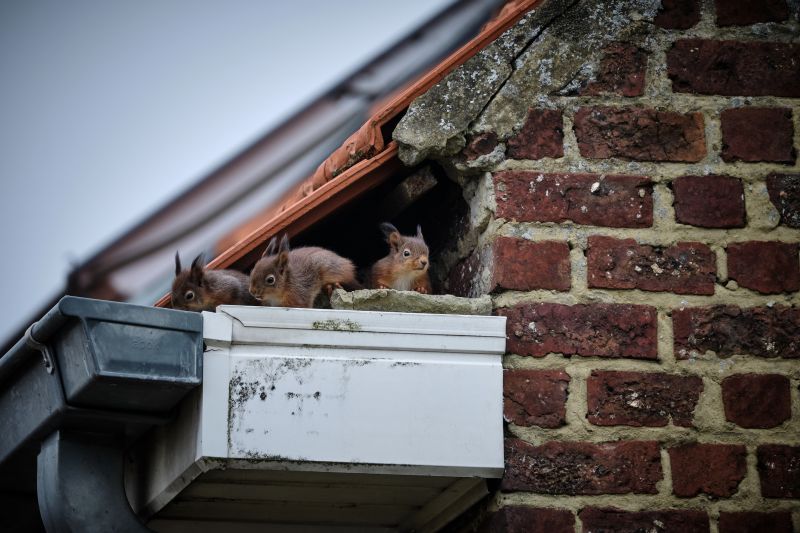
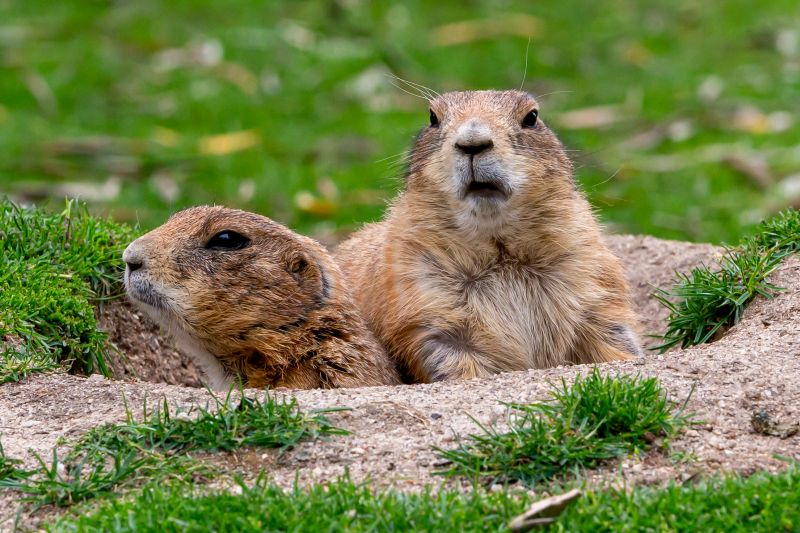
When homeowners search for why squirrels in walls create serious fire and structural risks, they are usually concerned about the potential dangers posed by these small animals nesting inside their properties. Squirrels often enter homes through roof vents, attic openings, or damaged soffits, and once inside, they tend to build nests in wall cavities, attics, or ceiling spaces. This behavior can lead to extensive damage that may not be immediately visible but can develop into serious safety hazards over time. People are typically looking for information on how these animals can cause fires, weaken structural elements, or lead to costly repairs, especially if they notice signs like scratching sounds, chewed wiring, or droppings in their walls.
The issues related to squirrels in walls are often connected to ongoing property maintenance or renovation plans. Many homeowners discover these pests when preparing for home improvements or after noticing unusual odors, droppings, or damage. The presence of squirrels can interfere with electrical systems, as their gnawing habits can strip insulation from wires, creating a significant fire risk. Additionally, their nesting materials-such as leaves, twigs, and insulation-can accumulate and obstruct ventilation or clog wall cavities, which may compromise the integrity of the structure. Understanding these problems helps homeowners recognize the importance of prompt removal and repair work to prevent further damage or danger.
Properties most commonly affected by squirrels in walls tend to be older homes with accessible attics or roof openings, although newer buildings are not immune. Homes with damaged or poorly sealed roof vents, soffits, or eaves provide easy entry points for squirrels. Attics and wall spaces in residential houses, especially those with ample insulation or unused areas, are prime nesting sites. Commercial buildings or outbuildings with similar structural vulnerabilities can also be at risk. Recognizing the types of properties prone to these issues helps homeowners see how local service providers specializing in squirrel removal and property repair can address the problem effectively, reducing the risk of fire and structural failure.
Addressing why squirrels in walls create serious fire and structural risks involves understanding how these pests interact with a property’s systems. Squirrels’ tendency to chew on wiring and insulation can lead to short circuits or electrical fires, posing a danger to residents and the building itself. Their nesting habits can weaken structural components, such as rafters, beams, or drywall, especially if left unaddressed for an extended period. Local contractors with experience in squirrel removal and property repair can help identify entry points, safely remove the animals, and restore damaged areas. Connecting with these service providers ensures that homeowners can resolve the root causes of the problem, safeguarding their property against fire hazards and structural deterioration.
Wildlife exclusion projects involve identifying and sealing entry points to prevent animals like squirrels from entering wall cavities, reducing fire and structural risks associated with their nesting habits.
Home inspection services assess the integrity of attic and wall spaces to detect signs of squirrel activity and potential hazards caused by their presence.
Structural repair projects focus on fixing damage caused by squirrels, such as chewed wiring or compromised framing, which can pose serious fire and safety risks.
Electrical wiring inspection and repair are essential in identifying chewed or damaged wires that squirrels may cause, preventing potential fire hazards in walls.
Pest proofing and sealing services help secure homes against future squirrel entry, minimizing the risk of ongoing damage and fire hazards.
Attic cleanup and restoration projects involve removing nesting materials and debris left by squirrels, which can contribute to fire risks if left unattended.
When comparing local contractors for squirrel removal, it’s important to consider their experience with similar projects. Squirrels in walls can cause significant damage that may lead to fire hazards or structural issues if not addressed properly. Service providers who have handled cases involving wildlife intrusion, especially those involving nesting or damage within wall cavities, are more likely to understand the complexities of safely removing squirrels and preventing future problems. Asking about their background with similar projects can help ensure that the chosen contractor has the practical knowledge needed to handle the unique challenges of squirrel-related risks.
Clear written expectations are essential when selecting a squirrel removal service. A reputable provider should be able to outline the scope of work, including inspection procedures, removal methods, and any necessary repairs to prevent re-entry or further damage. Having detailed, written communication helps prevent misunderstandings and ensures that both parties are aligned on what the job entails. Homeowners should seek service providers who are transparent about their processes and provide comprehensive information about how they will address the risks associated with squirrels in walls, especially in terms of fire and structural safety.
Reputable references and good communication are key indicators of a trustworthy contractor. Local service providers with positive feedback from previous clients often demonstrate a track record of successfully managing similar wildlife issues. Additionally, effective communication-whether through timely responses, clear explanations, or willingness to answer questions-can make the entire process smoother and more predictable. When evaluating options, homeowners should prioritize contractors who can provide references that speak to their experience, reliability, and ability to address the serious risks posed by squirrels nesting in walls and creating fire or structural hazards.
Property owners often search for why squirrels in walls create serious fire and structural risks when they are planning practical projects around their homes and businesses. Local pros provide Squirrel Removal services for everyday jobs and straightforward project options.
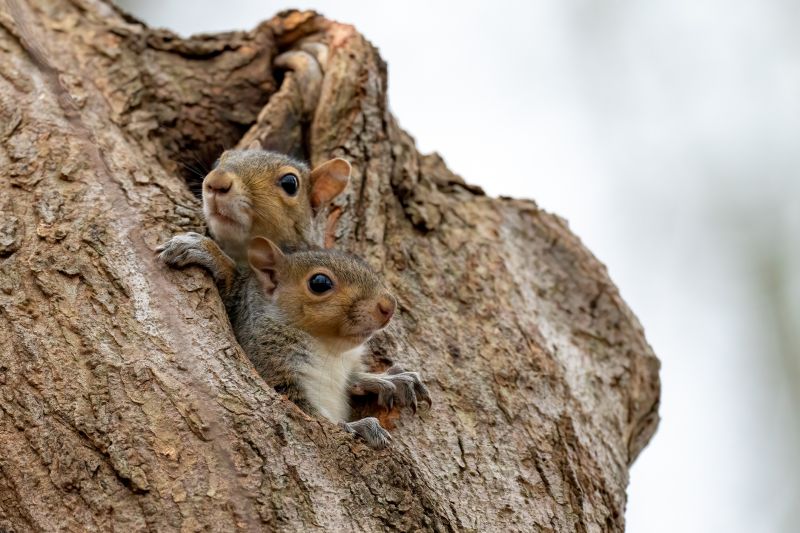
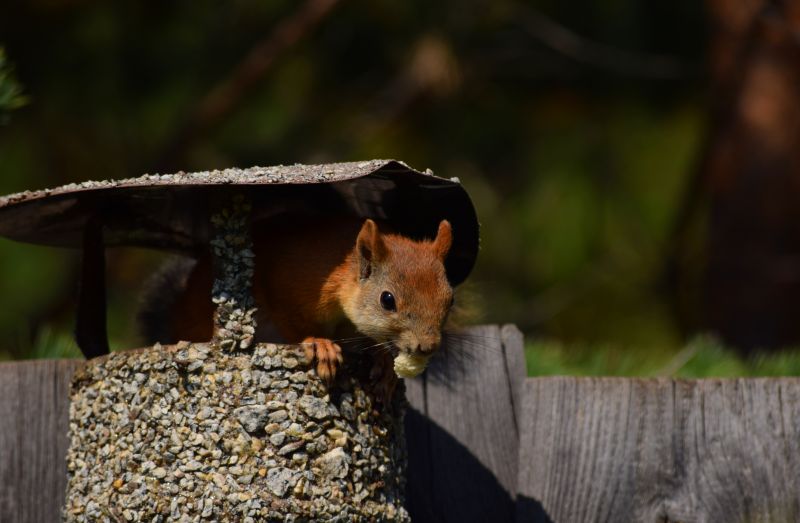
Squirrels nesting inside walls can pose significant fire hazards and structural concerns for property owners. These rodents often chew through electrical wiring as they create nests or search for food, which can lead to exposed wires and increased risk of electrical fires. Additionally, their gnawing can weaken the structural integrity of wall components, potentially causing damage that may require costly repairs. Homeowners noticing signs of squirrel activity, such as scratching sounds or visible droppings, should consider consulting with local contractors experienced in squirrel removal to address these risks promptly.
Engaging with local service providers for squirrel removal is a practical step to prevent further damage and ensure safety. Professional removal experts can safely and effectively eliminate squirrels from wall cavities, reducing the likelihood of electrical fires and structural deterioration. Property owners who suspect squirrels in their walls are encouraged to seek out local contractors who specialize in humane and thorough removal methods. Taking action early can help protect the property’s safety and avoid more extensive, expensive repairs down the line.
Why do squirrels in walls pose fire risks? Squirrels often chew on electrical wiring inside walls, which can cause shorts or sparks that may lead to fires if left unchecked. Local contractors experienced in squirrel removal can safely address these hazards and prevent potential fire damage.
How can squirrels in walls affect structural integrity? Squirrels may gnaw on wood framing, insulation, and other building materials, weakening the structure over time. Professional squirrel removal services can identify and mitigate these damages to maintain the safety of the building.
What are the dangers of ignoring squirrels in walls? Ignoring squirrel activity can result in electrical fires, compromised structural components, and increased risk of pest-related infestations. Local service providers can assess the situation and remove the squirrels to reduce these risks.
How do squirrels in walls create fire hazards specifically? The primary fire hazard comes from squirrels chewing on electrical wiring, which can cause sparks and shorts. Squirrel removal experts can eliminate the animals and inspect wiring to ensure safety.
What steps do local pros take to prevent squirrel-related fire and structural risks? They typically remove the squirrels, repair any damage caused, and seal entry points to prevent future infestations, helping to protect the home from fire and structural hazards associated with squirrels in walls.
Identify entry points in walls - property owners can inspect for small openings or gaps that squirrels may use to enter walls and work with local contractors to seal them effectively.
Schedule regular inspections - arranging periodic evaluations of wall areas can help detect squirrel activity early and prevent potential fire hazards caused by nesting materials.
Remove nesting materials safely - collaborating with service providers to carefully clear out squirrel nests reduces the risk of fire and structural damage from accumulated debris.
Implement exclusion techniques - applying professional exclusion methods can prevent future squirrel intrusions, safeguarding the property from associated fire and structural risks.
If you are thinking about why squirrels in walls create serious fire and structural risks for a property, this guide is meant to help you understand this topic, the typical project types, and how different options might fit your plans.
When you are ready, you can use the quote form on this page to share a few details about your project. From there, local pros can review the basics and follow up with options that match what you have in mind.