Common Wildlife Problems Homeowners Face
Homeowners facing common wildlife problems can rely on local service providers to safely remove animals and prevent future issues.
Homeowners in the area often encounter common wildlife problems that can impact the safety and comfort of their properties. Whether it’s animals gaining access to attics, burrowing near foundations, or creating nuisances around yards, these issues are more than just an inconvenience-they can lead to property damage or health concerns if left unaddressed. Recognizing the signs early and understanding the potential risks encourages property owners to explore practical solutions that protect their homes and families.
Local service providers specializing in wildlife removal are equipped to handle these common issues efficiently and humanely. They offer targeted approaches to safely remove animals and prevent future intrusions, helping homeowners maintain a secure and comfortable living environment. Keep reading to learn more about the wildlife challenges faced by property owners in the area and how trusted professionals can assist in resolving them effectively.
- Bat Removal - homeowners noticing bats roosting in attics or walls can rely on local contractors to safely remove the animals and seal entry points.
- Squirrel Exclusion - when squirrels have nested in roof eaves or chimneys, local pros implement humane exclusion methods to prevent re-entry.
- Raccoon Control - if raccoons are rummaging through trash or creating disturbances in yards, service providers can safely remove and secure the property.
- Bird Deterrent Services - homeowners dealing with bird droppings or nesting in vents can have local contractors install deterrents and block access points.
- Skunk Removal - when skunks dig under decks or porches, local wildlife specialists handle humane removal and help prevent future burrowing.
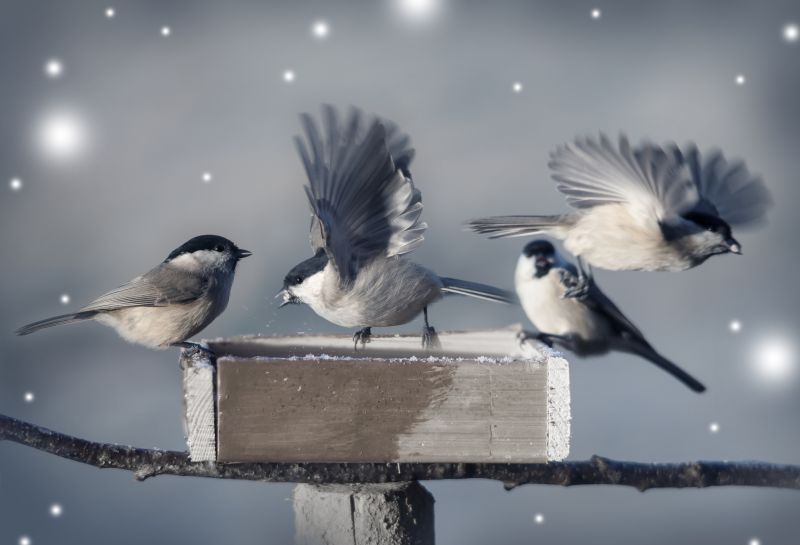
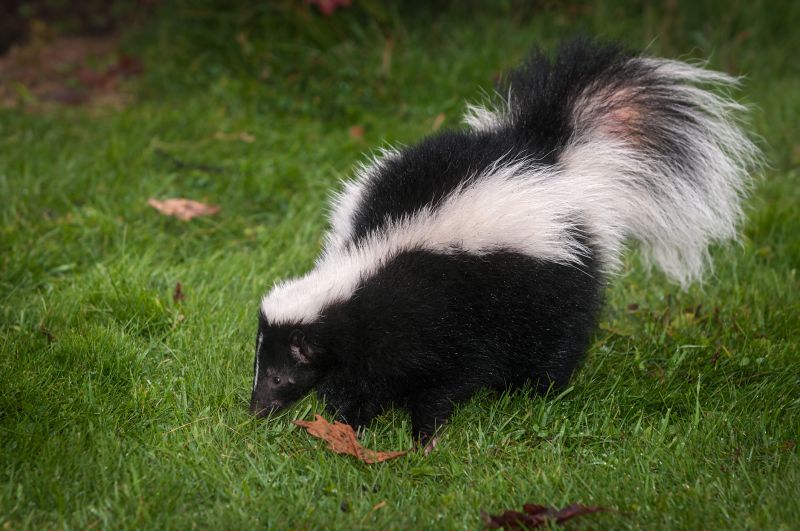
Many homeowners searching for information about common wildlife problems face situations where animals have unexpectedly entered or are causing issues around their property. These searches often stem from concerns about animals like raccoons, squirrels, bats, or birds invading attics, crawl spaces, or garages. Such problems can lead to property damage, health risks, and noise disturbances. Recognizing these issues as part of a broader wildlife management concern helps homeowners understand the importance of professional assistance in addressing the root causes and preventing future intrusions.
The types of problems homeowners encounter are typically linked to animals seeking shelter, food sources, or nesting sites. For example, raccoons might tear into trash cans or find entry points into attics, while bats may roost in wall voids or attic eaves. Squirrels often chew through wiring or insulation, creating fire hazards and costly repairs. Bird nests can block vents or damage roof structures. These issues often require specific plans to remove the animals humanely and secure the property against re-entry. Local service providers specializing in wildlife removal can develop tailored solutions to address these problems effectively.
Properties affected by wildlife problems vary widely but generally include residential homes, especially those with accessible attics, soffits, or roof vents. Older houses with less secure entry points are particularly vulnerable. Rural properties with nearby woods or fields are also more prone to wildlife encounters, as animals naturally seek habitats close to food and shelter. Even urban homes can face wildlife issues, especially in areas with mature trees or parks. Recognizing the types of properties most affected helps homeowners understand where wildlife problems are likely to occur and how professional services can help mitigate these risks.
Understanding common wildlife problems homeowners face connects directly to the need for expert intervention. Local wildlife removal service providers are equipped to handle these issues through humane and effective methods, such as sealing entry points, removing animals safely, and implementing exclusion strategies. These professionals can assess the property’s specific vulnerabilities and recommend plans that prevent future invasions. For homeowners dealing with wildlife intrusions or damage, working with experienced service providers ensures that the problem is addressed thoroughly and responsibly, reducing the risk of recurring issues and protecting the property’s integrity.
Gutter Cleaning and Maintenance - this project involves clearing debris and repairing gutter systems, which helps prevent wildlife from nesting in roof eaves and attics, similar to wildlife exclusion efforts.
Attic Insulation and Ventilation - improving attic ventilation reduces the likelihood of wildlife intrusion and nesting, requiring planning and tools similar to those used in wildlife removal.
Roof Repair and Leak Prevention - fixing damaged roofing and sealing entry points can deter wildlife from gaining access, aligning with the skills used in wildlife exclusion projects.
Squirrel and Rodent Proofing - installing barriers and sealing gaps to prevent rodents from entering structures shares techniques with wildlife exclusion and removal services.
Pest Proofing and Barrier Installation - applying barriers around homes to block wildlife entry points involves planning and tools common to wildlife control projects.
Tree Trimming and Branch Management - trimming overhanging branches reduces access points for wildlife, requiring similar planning and tools used in wildlife prevention efforts.
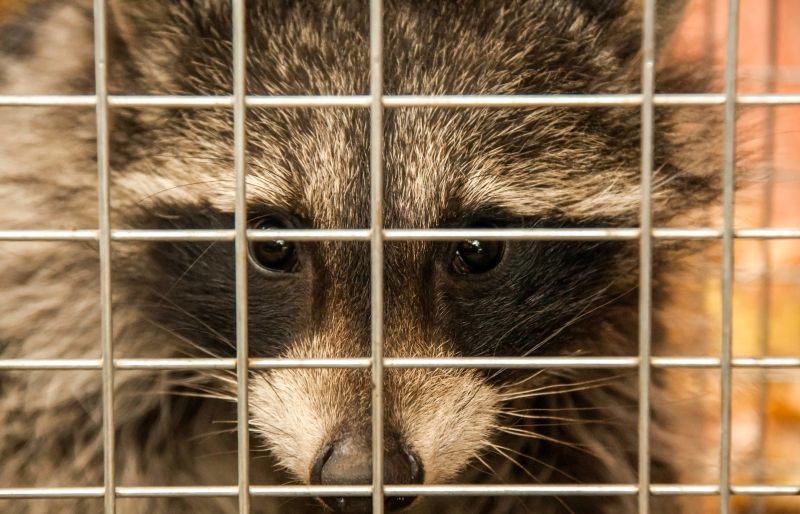
When evaluating wildlife removal service providers for common wildlife problems homeowners face, it’s important to consider their experience with similar projects. Service providers who have handled a range of wildlife issues-such as raccoon entry, squirrel infestations, or bird nesting-are more likely to understand the unique challenges each situation presents. Homeowners should inquire about the types of wildlife problems the contractors have addressed, ensuring they have a history of successfully managing issues comparable to their own. This familiarity can contribute to more effective solutions and reduce the likelihood of recurring problems.
Clear written expectations are essential when comparing local contractors for wildlife removal services. A reputable provider should be able to outline the scope of work, the methods they plan to use, and any follow-up measures in a transparent manner. This helps homeowners understand what to expect from the service, avoiding misunderstandings or surprises. Clear communication about procedures and responsibilities ensures that both parties are aligned, facilitating a smoother process from initial assessment through to completion.
Reputable references and effective communication are key factors to consider when choosing wildlife removal service providers. Homeowners should seek out contractors who can provide references from previous clients, especially those who had similar wildlife issues. Good communication throughout the process-such as prompt responses to questions and clear explanations of options-can make a significant difference in the overall experience. Service providers who prioritize open dialogue and are willing to share references demonstrate professionalism and reliability, making it easier for homeowners to make informed decisions about who will handle their wildlife concerns.
Property owners often search for common wildlife problems homeowners face when they are planning practical projects around their homes and businesses. Local pros provide Wildlife Removal services for everyday jobs and straightforward project options.
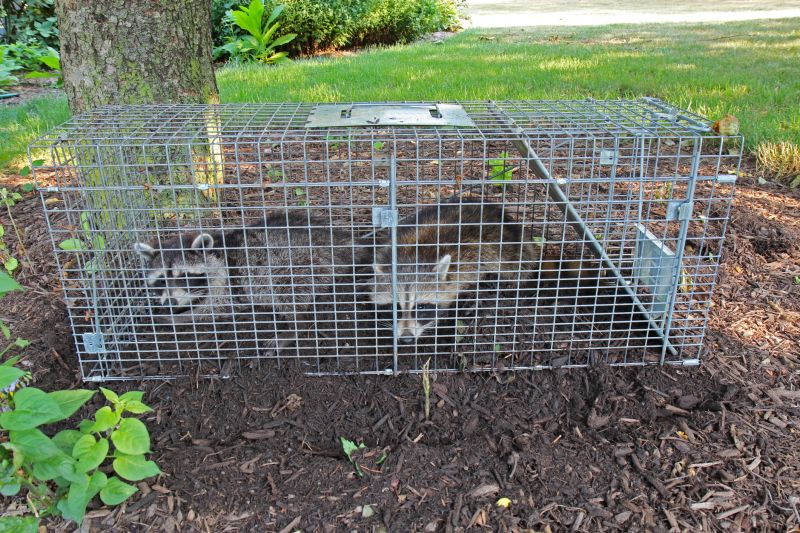
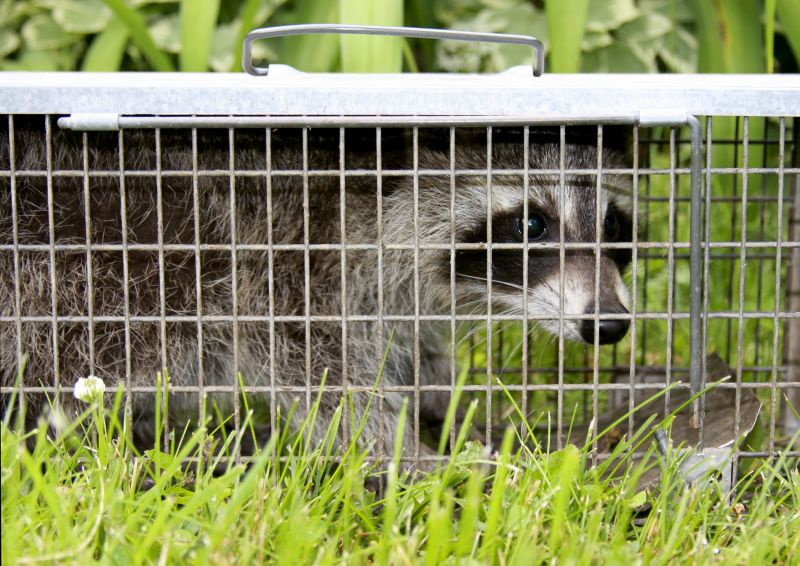
Many homeowners encounter common wildlife problems that can disrupt their daily routines and compromise the safety of their property. Issues such as raccoons rummaging through trash, squirrels nesting in attics, or birds building nests in vents are frequent concerns that often require prompt attention. These situations can lead to property damage, messes, and potential health risks, prompting property owners to seek the assistance of local contractors experienced in wildlife removal. Professionals in the area can evaluate the situation, safely remove the animals, and help prevent future encounters, making them a practical resource for resolving these everyday issues.
Property owners might also find themselves dealing with wildlife that has entered crawl spaces, chimneys, or wall voids, creating noise and structural concerns. Such problems tend to arise unexpectedly and can quickly become urgent if animals are nesting or if their presence is causing damage. Local contractors specializing in wildlife removal are familiar with the common causes of these problems and can provide effective solutions to eliminate the animals and secure the property. Consulting these service providers can help homeowners restore peace of mind and protect their homes from recurring wildlife-related troubles.
What are common wildlife problems homeowners face? Homeowners often encounter issues like animals nesting in attics, raccoons rummaging through trash, bats roosting in walls, squirrels damaging wiring, and birds nesting on roofs.
How can wildlife cause property damage? Wildlife can cause damage by gnawing on electrical wires, tearing insulation, creating entry points, and leaving droppings that can harm building materials.
Why is it important to address wildlife problems promptly? Prompt action helps prevent further property damage, reduces health risks from droppings and parasites, and stops animals from establishing long-term nests.
What signs indicate a wildlife problem in a home? Signs include strange noises in walls or ceilings, droppings near entry points, damage to insulation or wiring, and sightings of animals around the property.
How do wildlife removal service providers handle common wildlife problems? Local contractors assess the situation, safely remove the animals, seal entry points, and recommend measures to prevent future issues.
Identifying entry points - property owners can inspect their homes for small openings and have local contractors seal them to prevent wildlife from entering.
Installing deterrents - applying humane deterrents around the property can discourage animals from nesting or foraging close to the home.
Removing attractants - managing trash, compost, and other food sources can reduce the likelihood of wildlife problems near the residence.
Implementing exclusion techniques - professional wildlife removal services can install barriers and one-way doors to safely remove and exclude animals from the property.
If you are thinking about common wildlife problems homeowners face for a property, this guide is meant to help you understand this topic, the typical project types, and how different options might fit your plans.
When you are ready, you can use the quote form on this page to share a few details about your project. From there, local pros can review the basics and follow up with options that match what you have in mind.