Signs You Need Professional Wildlife Removal in Your Home or Attic
Signs you need professional wildlife removal in your home or attic often include strange noises, droppings, or damage, which local contractors can safely address and resolve.
Homeowners and property owners in the area often encounter certain signs that indicate wildlife may have taken up residence in their homes or attics. Unusual noises, such as scratching or scurrying, especially during nighttime hours, are common indicators that animals like raccoons, squirrels, or bats are present. Additionally, the presence of droppings, foul odors, or chewed wiring and insulation can point to an active wildlife infestation. Recognizing these early warning signs is important, as they can help prevent further property damage and potential health risks. Local service providers specializing in wildlife removal are equipped to assess these signs and provide effective solutions to safely and humanely resolve the issue.
Exploring these signs and understanding when professional wildlife removal services are needed can save property owners time and avoid more costly repairs down the line. If these indicators sound familiar, it’s a good idea to connect with experienced local contractors who can handle the removal process and help secure the property against future intrusions. They can identify the entry points, safely remove the animals, and implement measures to prevent re-entry. Keeping an eye out for these common signs ensures that property owners can address wildlife issues promptly and maintain a safe, animal-free home environment.
- Attic noises - when unusual sounds like scratching or scurrying are heard, local contractors can identify signs of wildlife presence and recommend removal strategies.
- Droppings or urine stains - visible evidence of animal activity can indicate an infestation, and service providers are equipped to handle humane removal and cleanup.
- Unpleasant odors - persistent smells in the home or attic may signal wildlife nesting, with local experts able to locate and eliminate the source effectively.
- Damage to insulation or wiring - chewed wires or torn insulation are signs wildlife has accessed the space, and experienced contractors can safely remove pests and restore affected areas.
- Entry points or holes - visible openings in the roof or walls suggest animal entry, prompting local pros to seal entry points and prevent future intrusions.
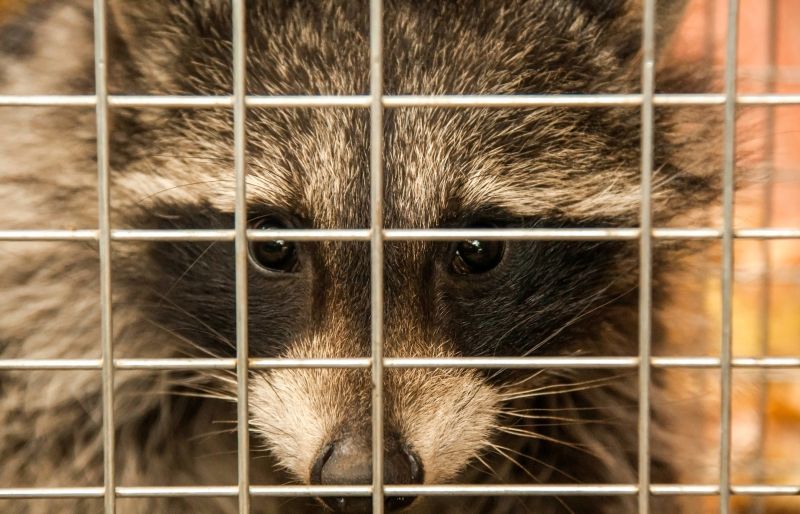
Understanding the signs that indicate wildlife has taken up residence in a home or attic is essential for homeowners seeking prompt and effective removal. When animals such as raccoons, squirrels, bats, or birds invade a property, they often leave behind noticeable evidence that can alert residents to their presence. Common signs include sounds of scratching or scurrying, especially during nighttime hours, as many wildlife species are nocturnal. Additionally, homeowners might notice droppings, nesting materials, or unusual odors emanating from the attic or walls. Recognizing these early indicators can help prevent further damage and health concerns, making it important to connect with local service providers experienced in wildlife removal.
These signs are typically associated with problems that require professional intervention rather than DIY solutions. Wildlife in the home can cause structural damage by nesting in insulation, chewing on electrical wiring, or creating entry points that allow additional pests to enter. In some cases, animals may become trapped or injured, leading to unpleasant odors or health risks. Property owners often seek wildlife removal services when they notice persistent noises, signs of entry such as holes or vents that have been tampered with, or evidence of animal droppings. Addressing these issues promptly with the help of local contractors ensures that the removal process is humane, thorough, and compliant with local regulations.
Certain types of properties are more prone to wildlife intrusions, especially those with accessible attics, crawl spaces, or gaps in the roofline. Older homes, with their aging structures and less secure entry points, tend to be more vulnerable. Rural or semi-rural properties near wooded areas are also at higher risk, as they are closer to natural habitats for many wildlife species. Commercial buildings with unused or poorly maintained spaces may encounter similar issues. Recognizing the property types that are more susceptible to wildlife problems can help homeowners and property managers take preventive steps and know when to seek assistance from local wildlife removal service providers.
Connecting with experienced wildlife removal professionals is an important step once signs of intrusion are detected. These local service providers have the expertise to assess the situation, identify the species involved, and implement effective strategies for removal and exclusion. They understand the importance of humane practices and know how to handle different types of animals safely. Engaging with local pros ensures that the problem is addressed efficiently, reducing the risk of recurring issues and damage to the property. Homeowners who notice signs of wildlife in their home or attic can benefit from expert guidance and services that are tailored to their specific property and situation.
Attic insulation installation - professionals often handle insulation projects that require careful access and sealing, similar to wildlife exclusion efforts in attics.
Pest exclusion and sealing - wildlife removal experts frequently perform sealing services to prevent animals from re-entering homes, requiring similar planning and tools.
Rodent proofing services - these projects involve identifying entry points and installing barriers, which aligns with wildlife removal techniques.
Bat removal and habitat cleanup - removing bats and cleaning their habitats demands specialized knowledge and equipment akin to wildlife exclusion work.
Home inspection for pest entry points - inspecting for and identifying signs of animal intrusion is a skill shared with wildlife removal assessments.
Wildlife habitat modification - adjusting yard or attic environments to deter animals involves planning and tools comparable to wildlife exclusion projects.
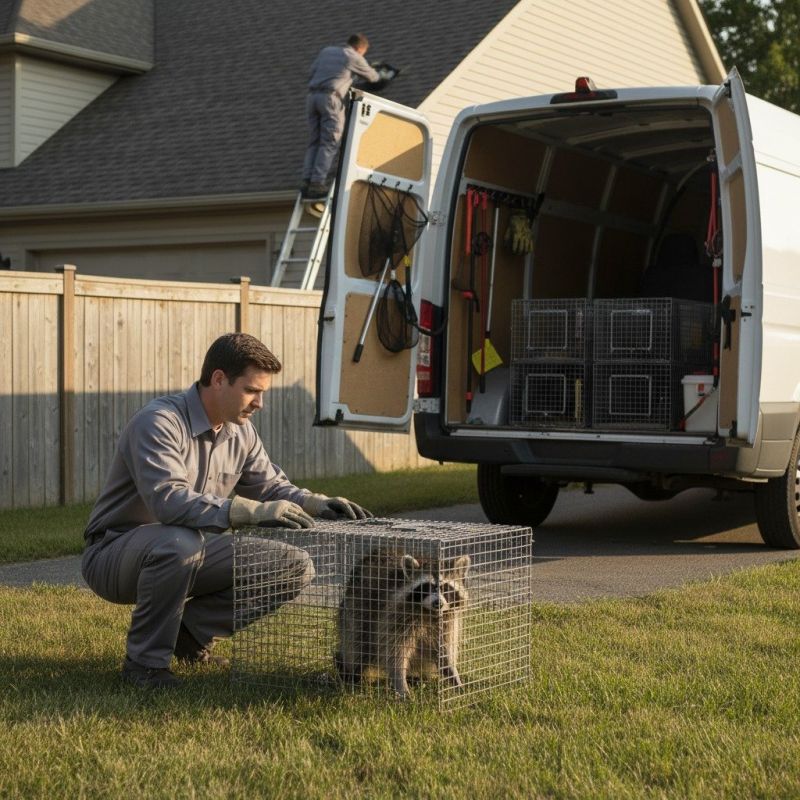
When evaluating wildlife removal services for signs you need professional wildlife removal in your home or attic, experience with similar projects is a key factor to consider. Homeowners should seek out service providers who have a proven track record of handling wildlife issues in residential settings comparable to their own. An experienced contractor will understand common entry points, behavior patterns of local wildlife, and effective removal techniques, which can contribute to a smoother process and reduce the likelihood of recurring problems. While credentials are not explicitly required, a contractor’s familiarity with similar projects can provide peace of mind that they are well-versed in addressing the specific challenges that come with wildlife intrusion.
Clear and detailed written expectations are essential when comparing local contractors for wildlife removal. Service providers should be able to outline the scope of work, including inspection procedures, removal methods, and post-removal cleanup or exclusion measures. This transparency helps homeowners understand what services are included and ensures there are no surprises during the process. Clear communication also facilitates a better understanding of timelines and responsibilities, making it easier to plan around the work being done. When reviewing potential contractors, look for those who provide comprehensive descriptions of their process and are willing to answer questions thoroughly.
Reputable references and good communication are vital indicators of a trustworthy wildlife removal service. Homeowners should seek out service providers who can provide references from previous clients or examples of completed projects in similar homes. These references can offer insights into the contractor’s professionalism, reliability, and effectiveness. Additionally, good communication-such as prompt responses to inquiries and willingness to discuss concerns-helps ensure that expectations are aligned and that the project proceeds smoothly. Choosing a local contractor who values clear communication and has a history of satisfied clients can make the entire process of addressing signs you need professional wildlife removal in your home or attic more straightforward and less stressful.
Property owners often search for signs you need professional wildlife removal in your home or attic when they are planning practical projects around their homes and businesses. Local pros provide Wildlife Removal services for everyday jobs and straightforward project options.
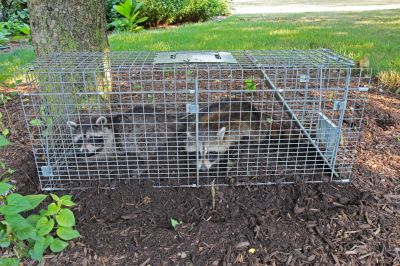
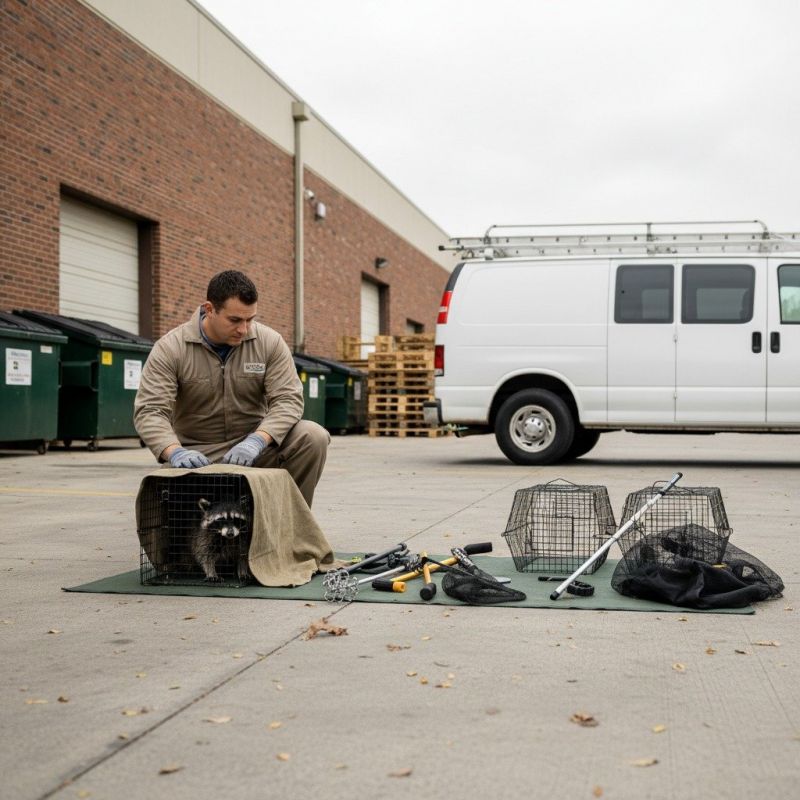
Homeowners in the area often notice unusual sounds coming from their attic or walls, such as scratching, squeaking, or scurrying noises, which can be clear signs of wildlife presence. Additionally, visible droppings, nests, or damage to insulation and wiring may indicate that animals like raccoons, squirrels, or bats have taken up residence. Recognizing these signs early can help property owners determine when it’s time to seek the expertise of local service providers who specialize in wildlife removal, ensuring the problem is addressed safely and effectively.
Other common indicators include foul odors that linger despite cleaning efforts, or sightings of animals entering or exiting small openings around the roofline or vents. If property owners observe these issues, it often suggests that wildlife has established itself within the home or attic space. Connecting with experienced contractors in the area can provide the necessary assistance to remove the animals and prevent future intrusions, helping to protect the property’s integrity and prevent potential health hazards.
What are common signs indicating wildlife may have entered my attic? Unusual noises such as scratching, scurrying, or chirping, especially during nighttime, can suggest wildlife presence. Additionally, droppings, nests, or damage to insulation and vents are signs that professional wildlife removal services may be needed.
How can I tell if animals are active inside my walls or attic? Signs include persistent odors, visible damage to drywall or insulation, and sightings of animals or their droppings around entry points. If these signs are present, local contractors experienced in wildlife removal can assess and address the issue.
What indications suggest wildlife may be nesting in my home? Evidence such as scattered debris, chewed wires, or nesting materials in attic corners or vents can point to nesting activity. Professional wildlife removal experts can safely handle removal and prevent future nesting sites.
Are there specific sounds that signal wildlife intrusion in a home or attic? Yes, sounds like scratching, scurrying, or squeaking, especially at night, are common indicators. These noises often mean animals are actively living or moving within the walls or attic space.
When should I consider hiring wildlife removal services for my home? If there are persistent noises, visible droppings, damage, or signs of nesting, it’s advisable to seek assistance from local service providers. They can evaluate the situation and safely remove the wildlife from the property.
Unusual Noises in Attic or Walls - noticing scratching, scurrying, or thumping sounds can indicate wildlife presence, prompting property owners to seek professional removal services.
Droppings or Nests Found Indoors - discovering animal droppings or nests inside the home or attic signals the need for expert wildlife removal to prevent health risks.
Unpleasant Odors - persistent odors near attic vents or wall cavities may be caused by animals, encouraging property owners to consult local contractors for removal solutions.
Damage to Insulation or Structures - signs of gnawing or chewed wiring often suggest wildlife infiltration, leading homeowners to consider professional wildlife removal services.
If you are thinking about signs you need professional wildlife removal in your home or attic for a property, this guide is meant to help you understand this topic, the typical project types, and how different options might fit your plans.
When you are ready, you can use the quote form on this page to share a few details about your project. From there, local pros can review the basics and follow up with options that match what you have in mind.