When DIY Wildlife Removal Becomes Risky and Professional Help Is Needed
When DIY wildlife removal becomes risky and professional help is needed, local service providers can safely and effectively handle wildlife intrusions to protect your home and health.
Many property owners in the area encounter situations where wildlife has taken up residence in or around their homes, leading to concerns about safety, property damage, and health risks. While attempting DIY wildlife removal might seem like a straightforward solution, it can quickly become risky if not approached with proper knowledge and equipment. In these cases, professional wildlife removal services offer practical expertise to handle the situation safely and effectively, ensuring that animals are removed humanely and that entry points are properly secured to prevent future issues.
Understanding when DIY wildlife removal becomes risky is crucial for property owners who want to protect themselves and their property. Local service providers are equipped to manage complex situations that may involve aggressive animals, difficult-to-access nesting sites, or potential health hazards. Exploring this topic can help property owners recognize the importance of enlisting experienced professionals, who can provide tailored solutions that minimize risks and address the root causes of wildlife intrusion. Keep reading to learn more about how local experts can assist with safe and humane wildlife removal.
- Bat exclusion - when DIY methods fail to safely remove bats from structures, local contractors can implement humane exclusion techniques.
- Squirrel trapping - if squirrels are difficult to trap or if entry points are hard to access, professional wildlife removal provides effective solutions.
- Raccoon removal - when raccoons are nesting in hard-to-reach areas, local pros use specialized tools to ensure safe and thorough removal.
- Skunk relocation - if skunks are burrowing near homes and pose a risk, experienced service providers can handle humane removal and relocation.
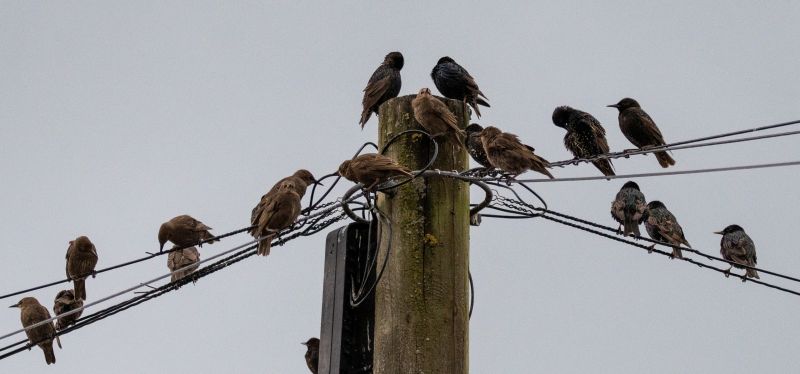
- Bird control - when DIY deterrents aren’t effective and bird infestations persist, local contractors can implement targeted exclusion and removal strategies.
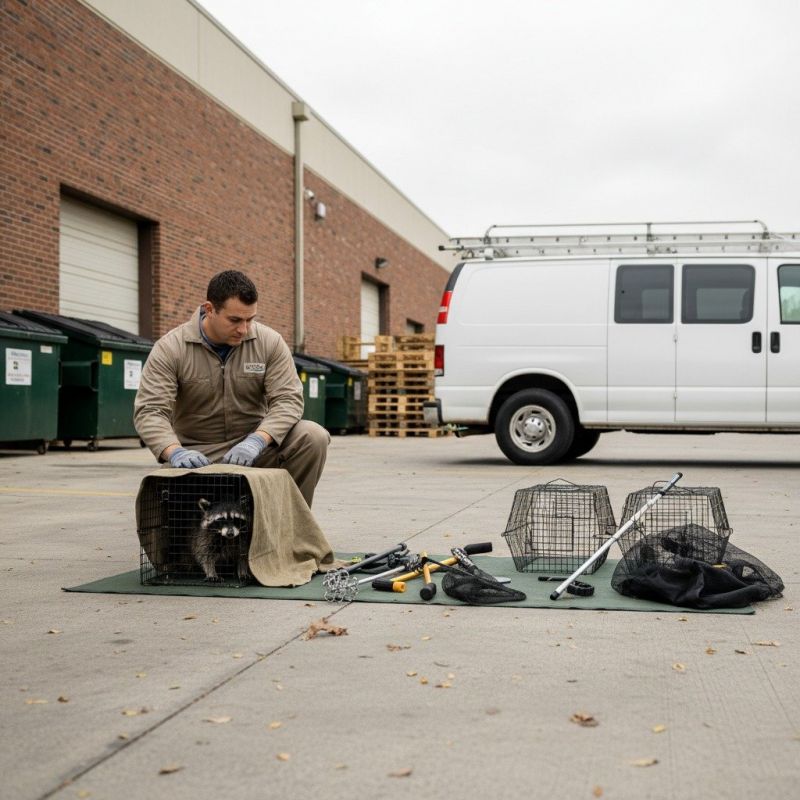
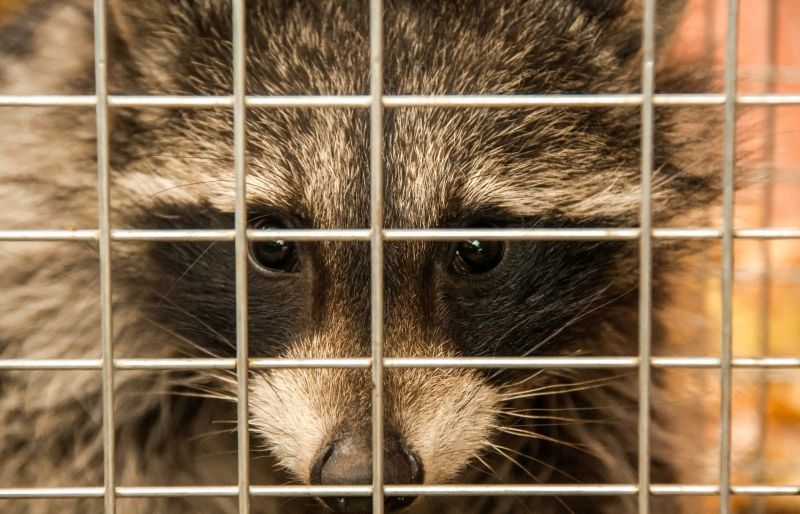
When homeowners search for information about when DIY wildlife removal becomes risky and professional help is needed, they are often looking to understand the limits of handling wildlife issues on their own. Many people encounter situations where animals have taken up residence in or around their property, such as raccoons in the attic, squirrels in the walls, or birds nesting in vents. While initial efforts might involve simple exclusion or removal techniques, the topic typically relates to recognizing when these efforts could lead to more harm than good. It’s about understanding the potential dangers of attempting to remove wildlife without proper experience, tools, or knowledge, which can result in property damage, animal injury, or even personal safety risks.
This topic is closely connected to various property-related concerns, especially those involving the safety and integrity of residential and commercial buildings. Common problems include animals creating nests in attics, chimneys, or crawl spaces, which can lead to structural damage or compromised insulation. Plans for DIY wildlife removal often involve trapping, sealing entry points, or cleaning up after animals, but these actions can become risky if the animals are aggressive, infected, or protected by local laws. Homeowners also consider their own safety when animals are in hard-to-reach or hazardous areas, making it clear that professional wildlife removal services are often better equipped to handle these challenges effectively and safely.
Properties that typically come up in discussions about risky wildlife removal include single-family homes, especially older houses with accessible attics or basements, as well as multi-unit apartment buildings and commercial structures. Rural properties, barns, and outbuildings are also common sites where wildlife issues can escalate if not addressed properly. These properties often have more opportunities for animals to enter and establish nests, and their size or layout can complicate DIY efforts. In such cases, local service providers are experienced in managing these environments, using specialized techniques to remove animals safely and prevent future invasions, reducing the likelihood of property damage or health hazards.
Understanding when DIY wildlife removal becomes risky and professional help is needed helps homeowners make informed decisions about their property. While minor issues might be manageable with basic exclusion methods, more complex or aggressive situations require the expertise of local contractors who are familiar with animal behavior, local regulations, and effective removal strategies. These professionals can handle difficult scenarios such as animals in inaccessible areas or those exhibiting signs of disease, ensuring the job is done safely and thoroughly. Connecting with experienced wildlife removal service providers can help prevent the risks associated with DIY efforts, protecting both property and personal well-being.
Attic Insulation Installation - Professionals skilled in insulation work understand how to safely access and modify attic spaces, a common area affected during wildlife removal projects.
Gutter Cleaning and Maintenance - Gutter cleaning involves working at heights and handling debris, similar to the safety considerations needed when removing wildlife from roof areas.
Pest Control and Exclusion - Local contractors experienced in pest exclusion use specialized techniques to prevent wildlife from re-entering structures, complementing wildlife removal efforts.
Structural Repairs and Damage Restoration - Repairing damage caused by wildlife requires careful planning and tools, similar to the skills needed when managing risky removal situations.
Fence and Barrier Installation - Installing physical barriers to keep wildlife out involves planning and precise work, aligning with the planning needed for safe wildlife exclusion.
Roof Repair and Maintenance - Roof repairs often involve working at heights and addressing structural vulnerabilities, which are essential considerations when wildlife has caused roof damage.
When evaluating wildlife removal services, homeowners should consider the experience local contractors have with similar projects. A contractor with a proven track record in handling wildlife invasions can better anticipate potential challenges and ensure the job is completed effectively. It’s beneficial to inquire about the types of animals they have managed previously and whether they have dealt with situations comparable to the current concern. This background helps determine if a service provider has the practical knowledge necessary to handle complex or risky wildlife removal tasks safely and efficiently.
Clear, written expectations are essential when selecting a wildlife removal service. Homeowners should seek detailed descriptions of the scope of work, including the methods used to remove animals and how the property will be restored afterward. Transparent communication about what is included and what is not can prevent misunderstandings and ensure that both parties are aligned on the process. Reputable service providers typically provide comprehensive documentation, which can serve as a reference point for ongoing communication and any future concerns.
Reputable references and good communication are key indicators of a reliable wildlife removal contractor. Homeowners are encouraged to ask for references from previous clients or to seek reviews that highlight the contractor’s professionalism and effectiveness. Open and responsive communication throughout the process helps clarify any questions and ensures that expectations are met. A service provider who listens carefully, responds promptly, and clearly explains procedures demonstrates a commitment to quality service, which is especially important when wildlife removal involves potential risks or complex situations.
Property owners often search for when DIY wildlife removal becomes risky and professional help is needed when they are planning practical projects around their homes and businesses. Local pros provide Wildlife Removal services for everyday jobs and straightforward project options.
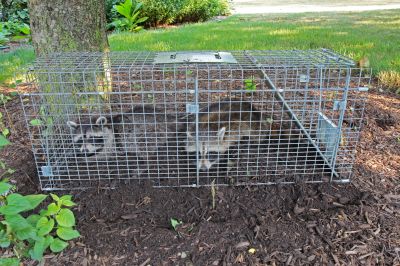
Homeowners often consider tackling wildlife removal projects themselves when they notice animals in attics, basements, or around their property. Simple issues like removing a raccoon from a shed or dealing with a squirrel in the attic might seem manageable at first. However, these situations can quickly become more complicated if animals are nesting deeply inside walls or have caused damage that isn’t immediately visible. When DIY wildlife removal becomes risky and professional help is needed, it’s usually because the problem involves safety concerns, potential property damage, or the presence of aggressive animals that could pose a threat to anyone attempting removal without proper experience.
Local contractors who specialize in wildlife removal are equipped to handle these more complex or hazardous situations. They understand how to safely and effectively remove animals, especially when there’s a risk of injury or further property damage. Property owners searching for guidance often turn to local service providers to ensure the job is done correctly and safely, avoiding the pitfalls of DIY efforts that might lead to animal escape, injury, or incomplete removal. Connecting with experienced wildlife removal professionals can help address the issue thoroughly and prevent future problems.
When does DIY wildlife removal become risky and professional help is needed? Wildlife removal can become risky and professional help is needed when animals are difficult to access, aggressive, or have created extensive damage, making safe and effective removal challenging for untrained individuals.
What signs indicate that wildlife removal requires professional assistance? Signs include animals nesting in hard-to-reach areas, repeated entry points, or evidence of illness or injury, which suggest that specialized equipment and expertise are necessary.
Why is attempting to remove wildlife without professional help risky? Attempting removal without proper knowledge can lead to animal escape, injury to people or pets, and the potential spread of diseases, highlighting the importance of trained service providers.
In what situations should DIY wildlife removal be avoided? DIY removal should be avoided when animals are in inaccessible locations, appear sick or aggressive, or when damage suggests structural issues that require professional assessment and handling.
How can local service providers help when DIY wildlife removal becomes risky? Local contractors can safely handle challenging situations, ensure proper exclusion techniques, and address underlying issues to prevent future wildlife problems effectively.
Assessing wildlife activity - property owners can identify signs of animal presence and decide when professional inspection is necessary to prevent risky encounters.
Handling minor entry points - small repairs may seem manageable, but consulting local contractors can ensure proper sealing to avoid dangerous wildlife situations.
Dealing with aggressive or large animals - attempting removal of aggressive wildlife without proper tools and training can be unsafe, highlighting the need for professional intervention.
Managing nesting sites - safely removing nests in hard-to-reach areas often requires specialized equipment and expertise, making professional help essential.
If you are thinking about when DIY wildlife removal becomes risky and professional help is needed for a property, this guide is meant to help you understand this topic, the typical project types, and how different options might fit your plans.
When you are ready, you can use the quote form on this page to share a few details about your project. From there, local pros can review the basics and follow up with options that match what you have in mind.