How Squirrels Damage Roofs and Attics and What to Do About It
People searching for squirrel removal are usually trying to protect their roofs and attics from damage, and local service providers can help with safe removal and prevention.
If you’ve noticed signs of squirrels around your property, understanding how squirrels damage roofs and attics can help protect your home from costly repairs. Squirrels are known to chew through roofing materials, vent covers, and insulation, creating openings that allow them to access and nest inside. This kind of damage not only compromises the structural integrity of a roof but can also lead to issues like water leaks, electrical hazards, and pest infestations. Property owners in the area often explore this topic to better recognize early warning signs and prevent extensive damage before it’s too late.
Fortunately, local service providers specializing in squirrel removal and prevention are available to help address these issues effectively. They can assess the extent of the damage, identify entry points, and implement humane removal strategies to keep squirrels out of attics and roofs. Learning about how squirrels damage roofs and attics and what to do about it empowers property owners to take proactive steps-ensuring that the right local experts are ready to assist in safeguarding the home from future squirrel-related problems. Keep reading to discover practical tips and insights on protecting your property.
- Squirrel exclusion services - when signs of squirrel entry are found in roofs or attics, local contractors can implement effective exclusion methods to prevent further damage.
- Attic repair and sealing - after squirrel damage, service providers can restore insulation, seal entry points, and prevent future infestations.
- Roof inspection and repair - if squirrels have caused damage to roofing materials, local pros can assess and repair or replace affected areas to protect the structure.
- Squirrel removal and eviction - when squirrels are actively nesting in roofs or attics, local service providers can safely remove them and ensure they do not return.
- Damage assessment and prevention consultation - for ongoing protection, local contractors can evaluate existing damage and recommend measures to prevent future squirrel-related issues.
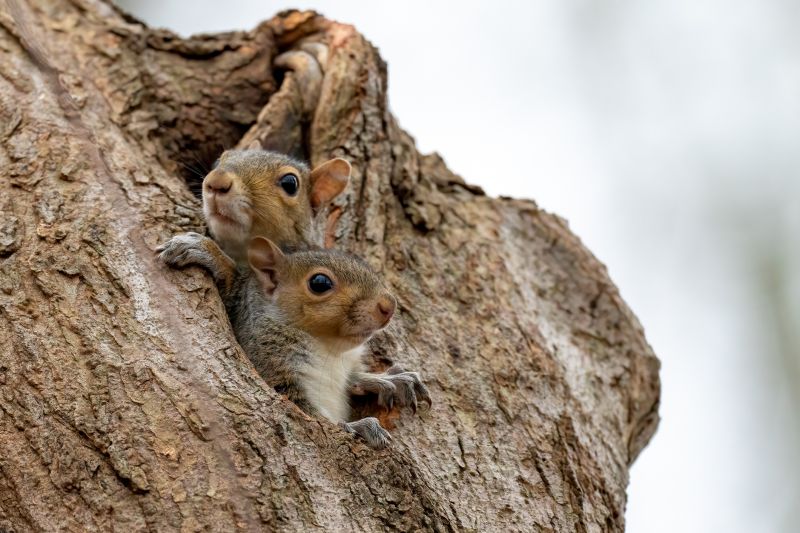
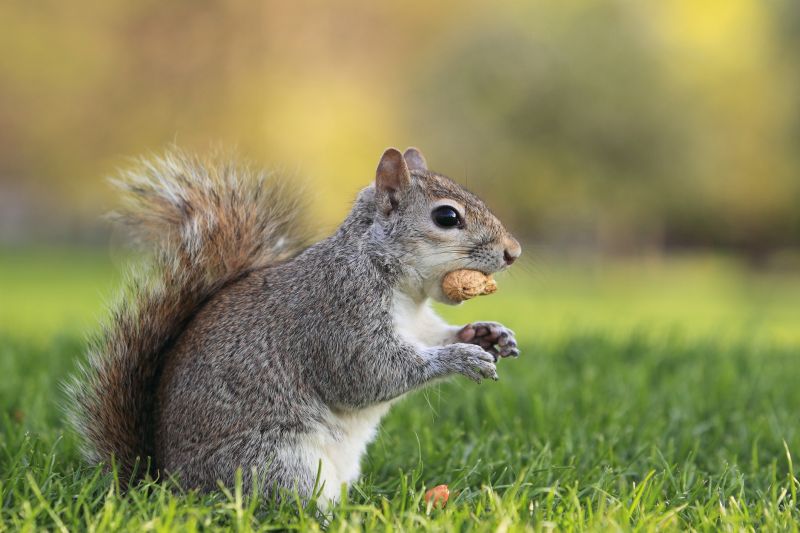
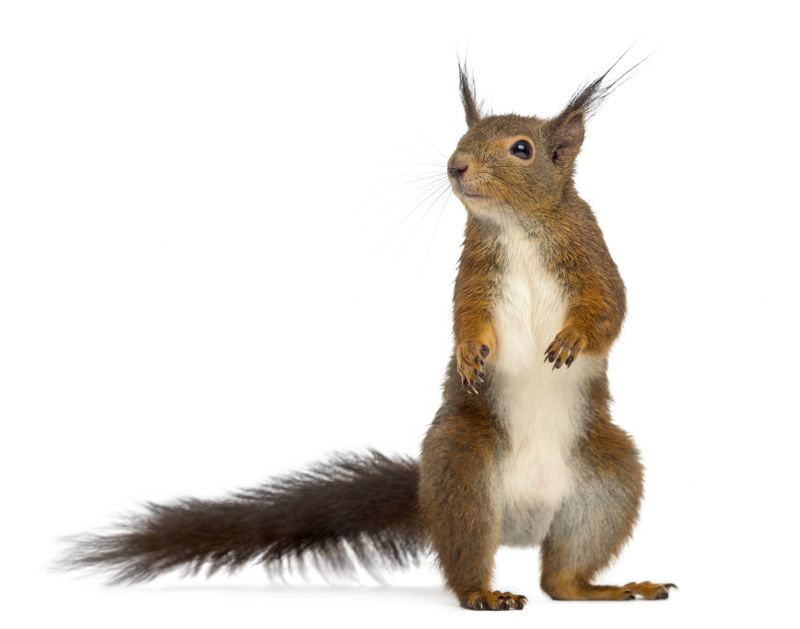
When homeowners search for how squirrels damage roofs and attics and what to do about it, they are often concerned about the physical signs of squirrel activity and the potential for costly repairs. This topic typically relates to problems like chewed wiring, damaged roof vents, gnawed wood, and entry points that allow squirrels to access the attic space. People may also be planning preventative measures to protect their property or seeking solutions for existing infestations. The focus is usually on identifying the damage early and understanding the risks involved, such as fire hazards from chewed electrical wiring or structural issues caused by gnawing and nesting.
Most properties affected by squirrel activity tend to be residential homes, especially those with accessible roofs, attics, or trees close to the structure. Attics are common nesting sites because they offer shelter and warmth, making them attractive to squirrels seeking a place to raise their young. Squirrels often find ways to access roofs through gaps, vents, or damaged shingles, and once inside, they can cause extensive damage. While rural homes and properties with large trees or wooded surroundings are more prone to squirrel problems, even suburban and urban residences are at risk if there are vulnerabilities in the roof or attic spaces.
Understanding how squirrels damage roofs and attics involves recognizing the typical signs of their presence. Chewed wood around roof vents, entry holes in soffits, and shredded insulation are common indicators. Squirrels tend to gnaw on wiring and insulation, which can lead to electrical issues or fire hazards. They also create nests using insulation, paper, and other materials, which can block ventilation and reduce energy efficiency. Homeowners often look for ways to remove squirrels safely and prevent future access, which is where local contractors specializing in squirrel removal and exclusion can play a vital role in addressing the problem comprehensively.
For property owners dealing with squirrel-related damage, working with experienced service providers is essential to resolve the issue effectively. These professionals can assess the extent of the damage, identify entry points, and implement exclusion methods to prevent re-entry. They may also assist with safe removal of squirrels and recommend repairs to restore the roof and attic’s integrity. Connecting with local contractors who specialize in squirrel removal and property protection ensures that the problem is handled efficiently and helps prevent future damage, safeguarding the home’s structure and safety.
Attic Insulation Installation - Proper insulation helps prevent squirrels from nesting and causing damage, and local contractors can assist with insulation upgrades to protect roofs and attics.
Roof Repair Services - Repairing damaged roof shingles and structures is essential after squirrel activity, and local service providers can handle these repairs efficiently.
Gutter Cleaning and Repair - Squirrels often access attics via clogged or damaged gutters, making gutter maintenance a key part of preventing entry points and damage.
Bird and Pest Proofing - Installing barriers and deterrents to keep squirrels and other pests from accessing roofs and attics is a common service offered by local contractors.
Attic Cleanup and Debris Removal - Removing nesting materials and debris left by squirrels helps restore attic safety and prevents future infestations, with local pros providing these services.
Roof Ventilation Solutions - Proper ventilation can discourage squirrels from nesting in attics, and local service providers can install or repair vents to improve airflow and deter pests.
When comparing service providers for squirrel removal and damage repair, it is important to consider their experience with similar projects. Homeowners should inquire about how long a contractor has been handling issues related to squirrels damaging roofs and attics, as well as their familiarity with the specific challenges associated with these animals. An experienced contractor will understand the common entry points squirrels use, the types of damage to look for, and the most effective removal and prevention methods. This background can help ensure that the chosen professional is well-equipped to address the problem thoroughly and efficiently.
Clear written expectations are essential when evaluating local contractors for squirrel-related damage. Homeowners should seek detailed descriptions of the services offered, including the scope of squirrel removal, damage assessment, and any repair or sealing work. Having a written outline helps prevent misunderstandings and ensures that both parties are aligned on what will be done. Additionally, understanding what is included in the service-such as inspection, removal, exclusion, and cleanup-can help homeowners make informed decisions and select a provider who meets their specific needs.
Reputable references and effective communication are vital factors to consider when choosing service providers. Homeowners can ask for references from previous clients who had similar squirrel-related issues to gauge the quality of work and professionalism. Good communication throughout the process ensures that questions are answered clearly and concerns are addressed promptly. A contractor who maintains open, transparent communication and provides credible references is more likely to deliver a satisfactory experience when dealing with how squirrels damage roofs and attics and what to do about it.
Property owners often search for how squirrels damage roofs and attics and what to do about it when they are planning practical projects around their homes and businesses. Local pros provide Squirrel Removal services for everyday jobs and straightforward project options.
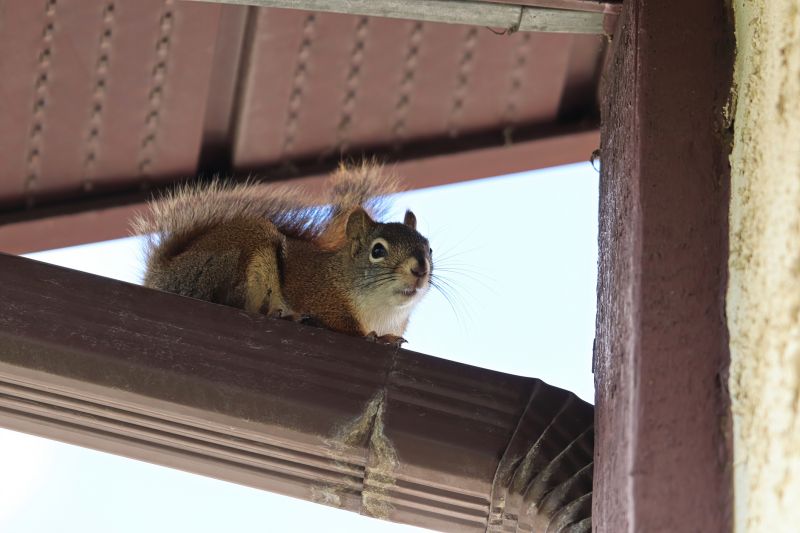
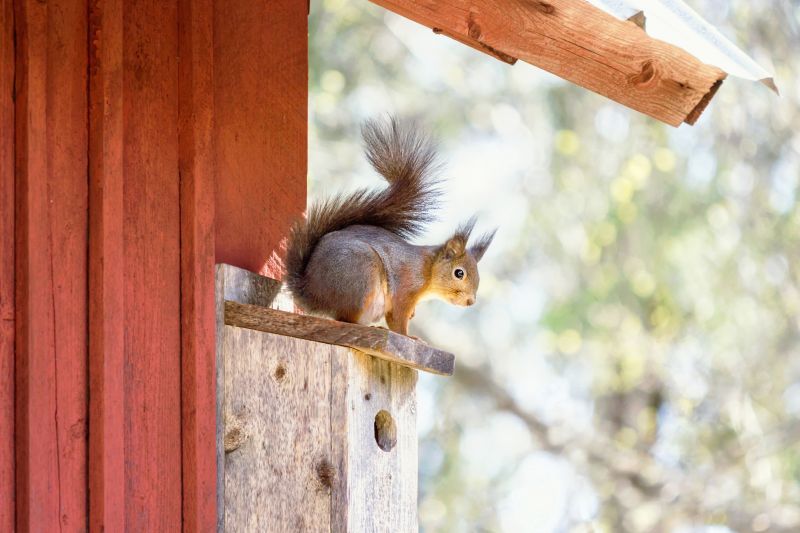
Squirrels are common visitors to many homes, especially in neighborhoods with mature trees and accessible attics. Their curiosity and resourcefulness can lead them to find ways into roofs and attics, often causing damage in the process. Property owners might look up this topic after noticing signs like chewed wiring, droppings, or unusual noises in the attic. Understanding how squirrels damage roofs and attics can help homeowners identify the problem early and take steps to prevent further issues, which is where local contractors who specialize in squirrel removal can be valuable resources.
When squirrels gain access to a roof or attic, they can create entry points by chewing through vents, soffits, or even fascia boards. Once inside, they may cause damage by gnawing on insulation, wiring, or structural components, which can lead to costly repairs if left unaddressed. Local service providers who offer squirrel removal and exclusion services are equipped to handle these situations safely and effectively. Engaging with experienced contractors can help property owners resolve squirrel-related issues and protect their homes from ongoing damage.
How do squirrels damage roofs and attics? Squirrels can cause damage by chewing on roof shingles, vents, and wiring, which may lead to leaks and electrical issues. They often create entry points by gnawing through soffits or vents, gaining access to the attic space. Once inside, they may nest, urinate, and defecate, leading to further property damage and health concerns. Local contractors can identify and repair these damages to prevent further intrusion.
What signs indicate squirrels have damaged my roof or attic? Common signs include visible chew marks around vents or soffits, nests built in attic corners, sounds of scurrying or scratching, and evidence of droppings or chewed insulation. You might also notice damaged or missing shingles or vents. Service providers can inspect your property to confirm squirrel-related damage and recommend appropriate removal and repair solutions.
How can I prevent squirrels from damaging my roof and attic? Preventative measures include installing squirrel-proof vents, sealing entry points, and trimming tree branches near the roof. Proper attic insulation and removal of food sources can also deter squirrels. Local pros can assess your property and implement effective exclusion methods to keep squirrels out.
What do squirrels removal services typically involve? Squirrel removal services usually include safely trapping and removing squirrels, sealing entry points, and repairing any damage caused. They may also offer advice on preventing future infestations. These services help restore the safety and integrity of the roof and attic space.
Why should I hire professionals for squirrel damage repair and removal? Professionals have the experience and tools to safely remove squirrels and properly repair entry points, preventing future problems. They can also identify hidden damages that might not be obvious. Engaging local contractors ensures the job is done effectively to protect the structure of the roof and attic.
Identify vulnerable roof areas - inspecting for gaps, holes, or damaged shingles can help property owners pinpoint where squirrels may enter and work with local contractors to secure these spots.
Seal entry points effectively - sealing small openings and potential entry sites prevents squirrels from gaining access to attics and minimizes damage caused by their activity.
Implement deterrent measures - installing physical barriers or deterrents around roof vents and eaves can discourage squirrels from nesting or chewing on roof components.
Schedule professional removal and repairs - engaging experienced service providers ensures squirrels are safely removed and any damage to roofs and attics is properly repaired to prevent future issues.
If you are thinking about how squirrels damage roofs and attics and what to do about it for a property, this guide is meant to help you understand this topic, the typical project types, and how different options might fit your plans.
When you are ready, you can use the quote form on this page to share a few details about your project. From there, local pros can review the basics and follow up with options that match what you have in mind.