Seasonal Wildlife Issues Homeowners Should Watch For
Local service providers can help homeowners address seasonal wildlife issues by safely removing animals and preventing future infestations.
Homeowners in the area often find that seasonal wildlife issues can pose unexpected challenges throughout the year. As animals adapt to changing weather patterns and natural behaviors shift with the seasons, property owners may notice signs of unwanted visitors or potential damage around their homes. Staying informed about these seasonal wildlife trends helps prevent larger problems, such as property damage or health concerns, making it worthwhile to explore solutions offered by experienced local contractors. These professionals can provide insights and assistance tailored to the specific wildlife challenges faced during each season, ensuring that properties remain safe and secure.
Understanding what wildlife issues to watch for during different times of the year can empower homeowners to act proactively. Whether it’s animals seeking shelter in colder months or foraging for food in warmer seasons, knowing what to look for helps in identifying early signs of a problem. Local service providers specializing in seasonal wildlife removal can help address these concerns efficiently, often preventing more serious issues down the line. Keep reading to discover practical tips and how local experts can support efforts to keep properties free from seasonal wildlife concerns.
- Bird nesting season - homeowners should watch for increased bird activity around vents and eaves, with local contractors able to safely remove nests and prevent future entry points.
- Spring rodent activity - as mice and rats seek shelter, local service providers can identify and seal entry points to reduce infestations.
- Fall raccoon behavior - raccoons become more active in search of food, and local pros can help secure attic spaces and remove any trapped animals.
- Winter squirrel movements - squirrels may attempt to enter homes for warmth, with local contractors able to identify and block access points before damage occurs.
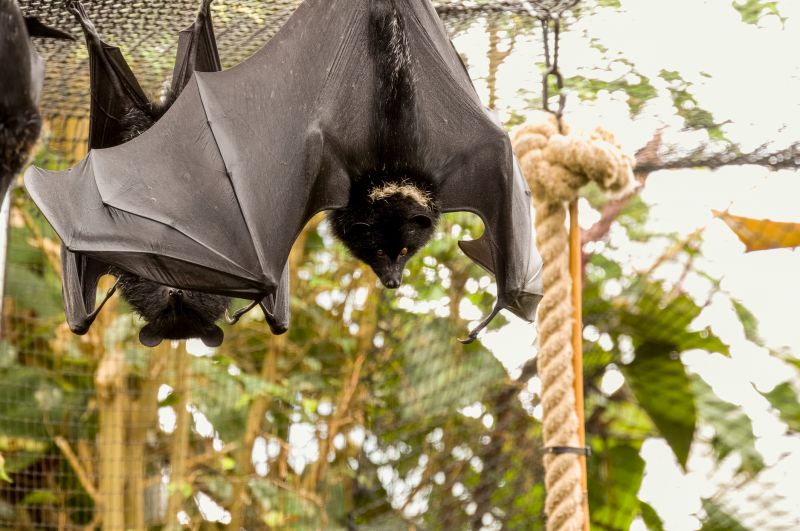
- Summer bat activity - bats often seek roosting sites in warm months, and local wildlife removal experts can safely and humanely handle removals and exclusion work.
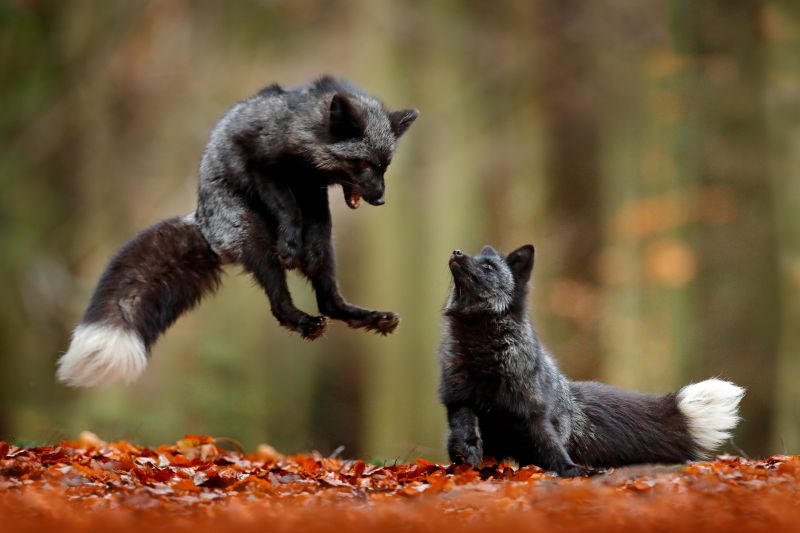

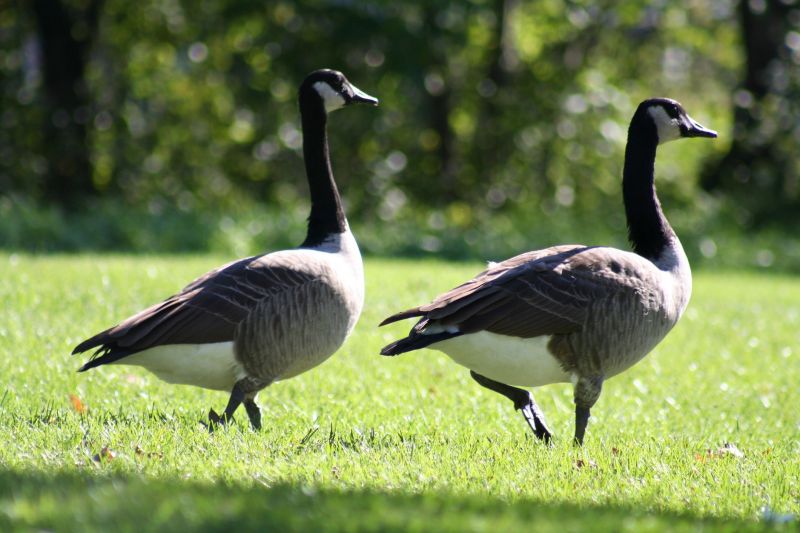
Seasonal wildlife issues homeowners should watch for often relate to animals seeking shelter or food sources as seasons change. During spring and summer, homeowners may notice increased activity from birds, raccoons, squirrels, and bats around their properties. These animals tend to look for nesting sites or places to raise their young, which can lead to problems such as nests in attics or vents, or animals burrowing into yard debris. Recognizing these seasonal patterns helps homeowners understand when certain wildlife problems are most likely to occur, prompting timely inspections and preventative measures. Local contractors who specialize in wildlife removal can assess properties for potential entry points and recommend solutions to prevent animals from establishing nests or roosts during these active periods.
In the fall, many wildlife species prepare for winter by gathering food or seeking shelter, which can lead to issues like animals invading attics, chimneys, or wall voids. Squirrels, raccoons, and even bats may seek warm, protected spaces as temperatures drop. This season is also when property owners might notice increased droppings or signs of animal activity in the attic or around the foundation. Planning ahead for these seasonal wildlife issues can involve sealing entry points or installing barriers to keep animals out before they settle in. Local service providers experienced in wildlife removal can help identify vulnerabilities in a property's structure and implement effective exclusion strategies to prevent future invasions.
During winter, some wildlife species remain active and may seek out warm spots inside homes, especially if they find access points. Bats, for example, often roost in attics or wall spaces, while rodents may invade basements or crawl spaces in search of warmth and food. Homeowners may notice unusual noises, odors, or animal droppings during this time. Addressing these issues promptly with the help of local contractors can prevent animals from causing damage or health concerns. Proper inspection and sealing of potential entry points are crucial steps that service providers can assist with, ensuring that homes remain protected from seasonal wildlife intrusions during colder months.
Spring is a critical time for homeowners to be vigilant about seasonal wildlife issues, as many animals are emerging from hibernation or nesting. This period often sees an uptick in bird activity, as well as raccoons and squirrels establishing new nests. Signs of wildlife problems may include chewed wires, nesting materials, or animal tracks around the property. Taking proactive measures such as inspecting roofs, vents, and chimneys can help prevent animals from entering and nesting inside the home. Local wildlife removal professionals are equipped to handle these seasonal challenges by providing inspections, exclusion work, and humane removal services, helping homeowners maintain a safe and animal-free living environment during these active months.
Gutter and Roof Maintenance - Ensuring gutters and roofs are clear and properly sealed helps prevent wildlife from nesting or entering homes during seasonal changes, aligning with wildlife exclusion services offered by local contractors.
Attic Insulation and Ventilation Projects - Proper insulation and ventilation reduce the likelihood of animals nesting in attics, a common concern in seasonal wildlife issues homeowners should watch for, handled by local service providers.
Fence and Barrier Installation - Installing barriers or fencing can deter wildlife from accessing yards and entry points, complementing seasonal wildlife removal efforts provided by local contractors.
Tree and Shrub Trimming - Trimming overgrown branches near structures minimizes access points for wildlife during seasonal activity peaks, a task performed by local pros familiar with wildlife issues.
Sealant and Chimney Cap Installation - Sealing gaps and installing chimney caps help prevent animals from entering homes through chimneys and vents, an important aspect of seasonal wildlife prevention services.
Wildlife Damage Repairs - Repairing chewed wiring, damaged insulation, or structural wear caused by seasonal wildlife activity ensures homes remain secure and protected, with local contractors equipped for such repairs.
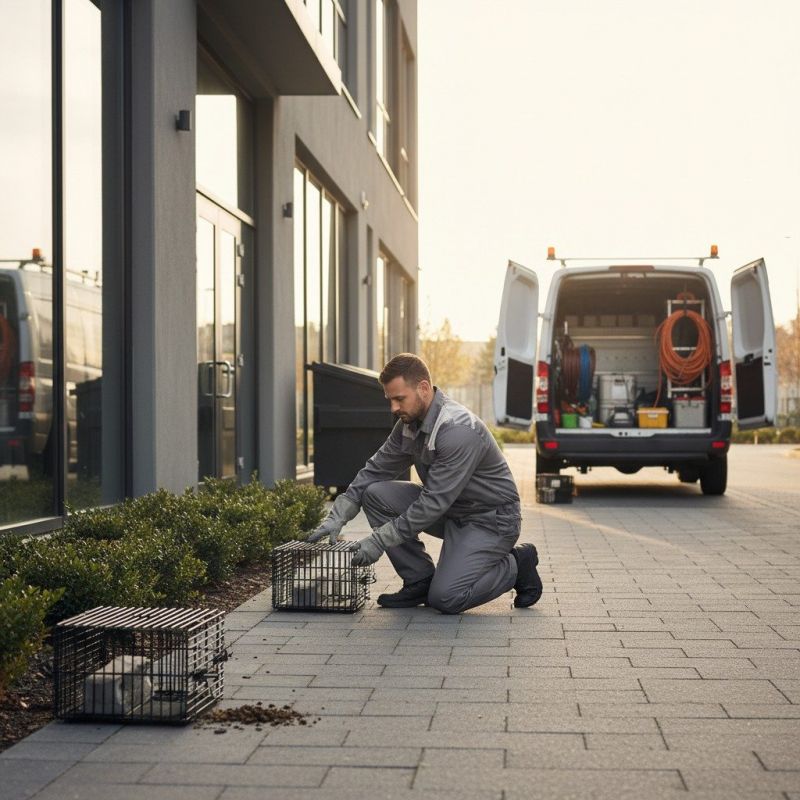
When comparing local contractors for seasonal wildlife removal, it’s important to consider their experience with similar projects. Homeowners should look for service providers who have a history of handling wildlife issues specific to their region and the seasonal challenges that come with it. An experienced contractor will have a better understanding of the common wildlife behaviors during different times of the year and will be more equipped to identify the signs of seasonal wildlife issues homeowners should watch for. This familiarity can contribute to more effective and efficient removal strategies, reducing the likelihood of recurring problems.
Clear written expectations are essential when evaluating potential service providers. Homeowners should seek contractors who provide detailed descriptions of the services offered, including what the removal process entails, any follow-up work, and preventive measures. Having this information in writing helps ensure that both parties are aligned on the scope of work and reduces misunderstandings. Well-defined expectations also make it easier to compare different contractors based on the comprehensiveness of their services and the clarity of their communication.
Reputable references and good communication are key indicators of a reliable wildlife removal service provider. Homeowners can ask potential contractors for references or reviews from previous clients who experienced similar seasonal wildlife issues. Positive references can offer insights into the contractor’s professionalism, effectiveness, and ability to handle seasonal challenges. Additionally, a service provider who communicates clearly and promptly can help homeowners feel more confident throughout the process, ensuring that questions are answered and concerns addressed as the project progresses. These qualities contribute to a smoother experience when addressing seasonal wildlife issues homeowners should watch for.
Property owners often search for seasonal wildlife issues homeowners should watch for when they are planning practical projects around their homes and businesses. Local pros provide Seasonal Wildlife Removal services for everyday jobs and straightforward project options.
Seasonal wildlife issues homeowners should watch for often become more noticeable during certain times of the year, prompting many to seek professional wildlife removal services. Common concerns include animals such as raccoons, squirrels, and birds seeking shelter in attics, chimneys, or wall cavities, especially as they prepare for colder months or nesting seasons. Recognizing signs like unusual noises, droppings, or damage to roofing and siding can help property owners determine when to reach out to local contractors who specialize in humane wildlife exclusion and removal.
During specific seasons, property owners may also encounter increased activity from critters like bats or skunks, which can pose health risks or cause property damage if not addressed promptly. Simple issues such as gaps around vents, chimney caps, or soffits can become entry points for wildlife seeking safe nesting sites. Connecting with experienced service providers can ensure that these seasonal wildlife issues are handled effectively, helping to prevent larger problems and maintain a safe, animal-free home environment.
What are common signs of wildlife entering homes during seasonal changes? Homeowners should look for droppings, chewed wiring or insulation, strange odors, and sounds like scratching or scurrying, which may indicate wildlife issues that local contractors can address.
Which types of wildlife are most active during specific seasons? Rodents, raccoons, and squirrels are often active in fall and winter, while birds and bats may become more noticeable in spring and summer, prompting the need for seasonal wildlife removal services.
How can homeowners prevent wildlife from nesting in their property during seasonal shifts? Maintaining proper sealing of entry points, removing food sources, and trimming vegetation can help prevent wildlife from nesting, with local service providers offering targeted exclusion solutions.
What risks do homeowners face if seasonal wildlife issues are ignored? Ignoring wildlife issues can lead to property damage, health hazards from droppings or parasites, and increased chances of animals becoming trapped or causing further structural problems, which local pros can help mitigate.
When should homeowners consider professional wildlife removal services during seasonal changes? Homeowners should consider professional assistance when noticing signs of intrusion, damage, or persistent animal activity that they cannot safely handle on their own, especially during peak activity seasons.
Monitor nesting sites - property owners can identify and secure potential nesting areas to prevent wildlife from establishing colonies on their property with help from local contractors.
Seal entry points - sealing gaps and openings around the home can reduce seasonal wildlife issues, and local pros can provide effective repairs and preventative measures.
Remove attractants - eliminating food sources like fallen fruit or unsecured trash can discourage wildlife from frequenting the yard, with guidance from local service providers.
Install deterrents - using humane deterrent devices or barriers can help keep wildlife away during peak seasons, with assistance from local wildlife removal specialists.
If you are thinking about seasonal wildlife issues homeowners should watch for for a property, this guide is meant to help you understand this topic, the typical project types, and how different options might fit your plans.
When you are ready, you can use the quote form on this page to share a few details about your project. From there, local pros can review the basics and follow up with options that match what you have in mind.